
No signal, no cash, three kilometres out
Contents
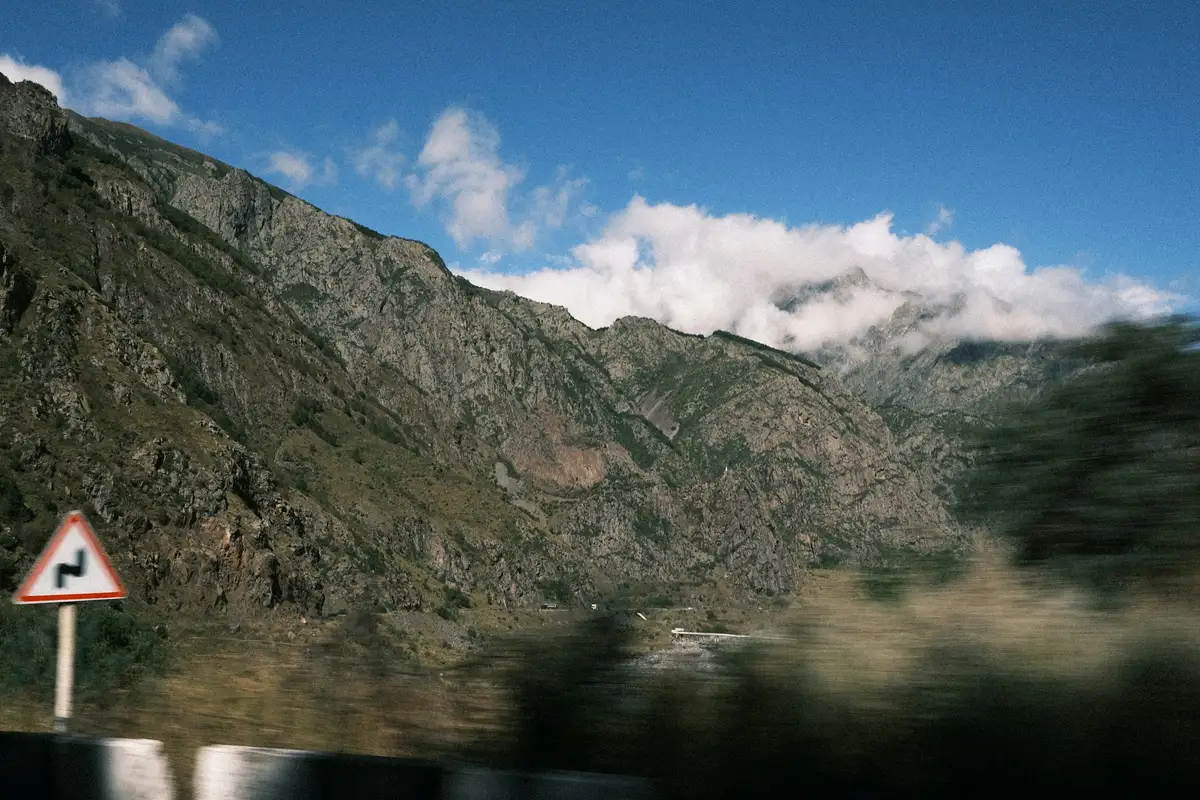
The van drops me at two-thirty on a gravel shoulder, in front of a tin shelter and a sign I can’t read. It’s the right stop. I checked three times with the driver, showing him my phone screen, and he nodded three times, the last one with the look of a man who’d like to get moving again.
The village where I’m sleeping is three kilometres away. I know that because I read it the day before, in Tbilisi, in a room where the wifi worked, on a map I closed without thinking about it.
The phone shows four bars. Sixty-one percent battery. Nothing goes through.
The list of what’s fine
I’ll start there, because it’s this list that makes the afternoon interesting.
The phone turns on, the screen answers to touch, the SIM card is recognised, the carrier name shows top left with a clean four bars. The bag is closed and complete, nobody has had a hand in it, which is not nothing given how this year started. The bank card is in the jacket pocket, valid, not blocked, used that same morning at a bakery in Tbilisi for something warm whose name I still don’t know.
There’s no breakdown. Nothing broken, no dead battery, no blown circuit, no theft. Everything I’m carrying works exactly like the day I bought it.
And I’m still stuck on a gravel shoulder.
What doesn’t go through
The map opens onto a grey square. There’s the road, drawn in white, and a piece of river. No names, no villages, nothing beyond what was cached at the zoom level I happened to look at this area eight days ago, in another country.
The booking app opens onto its shell, with a spinner turning in the middle and a polite message about checking the connection. I know the village’s name and the host’s first name by heart. The phone number, though, is stuck behind that spinner.
It’s also missing from the paper notebook, where I copied down the village’s name and the host’s first name, and nothing else. I never wrote down that number, because a number inside an app isn’t a number. It’s a button.
The shop
There’s one fifty metres away, with a fridge sitting outside and a man behind the counter watching a wall-mounted TV. I grab water and two things to eat.
I present the card. The terminal thinks for forty seconds, which is a very long time when you’re watching a terminal screen, then shows a refusal with no reason given. Second try, same duration, same refusal. The man gestures toward the machine, palms up, meaning it isn’t him.
In my pocket there’s a bill too big for what I’m buying, two coins from a country I left three weeks ago, and a bus ticket. I haven’t touched cash in eleven days. I didn’t decide that on purpose, I simply hadn’t thought about it, the way you don’t think about breathing.
He pushes the bottle toward me and makes another gesture, which I translate as later. Maybe it meant something else. I have no way to know, and I’m not going to invent a nice little scene about it.
Three kilometres
There are two cars parked in front of the shop. I could ask, and I could pay, except I can’t pay. The app that would order a car needs the same thing as the map and the booking.
So I walk. Fifty minutes, because forty litres on your back and a crossbody bag don’t move at the pace of someone out for a stroll. The road has no shoulder for the last kilometre, so I walk on the gravel, stepping aside twice for trucks that had no intention of hitting me anyway. It’s warm without being extreme. It’s not an ordeal, it’s a long-running annoyance, and the one thing that genuinely bothers me is knowing the left strap has started slipping again.
The house is exactly where it should be. The host is there, waiting, not worried at all. The kitchen wifi hands me back the map, the booking, and the number I never actually needed to call.
What it showed me
I had three solutions to this problem, and they were completely independent of one another. A map, a way to pay, a way to move. Three apps, three companies, three logics with nothing in common.
They all rested on the same thing, and I’d never seen that written anywhere, because it isn’t written anywhere. Each one presents itself as a self-contained tool. None of them displays the list of what it actually needs to work.
A network outage becomes a payment outage, which becomes a mobility outage, and at no point does any single object actually break. That’s the difference from everything I’ve told here so far. A broken machine gets repaired or replaced, a stolen machine gets bought back in four days. Here, there’s nothing to repair and nothing to replace. The gear is intact, complete, charged, and useless for two hours.
I’m not going to turn this into a lecture on digital dependency. Everyone’s written one, they all sound the same, and what I refuse to do on this site is spelled out in what I refuse to do. What interests me here is narrower: I had a redundancy that wasn’t one, it looked like a redundancy, and the only moment you find out is the one where it costs you something.
What would have helped
Two lines in the paper notebook. The house’s number, copied down the day before while the wifi worked, next to the village name I’d bothered to write. It takes fifteen seconds, and I didn’t do it, because I had the number right in front of me when I was writing.
The area’s map, downloaded ahead of time. I do that for the towns where I’m staying, never for the hundred kilometres of road between two towns, which is exactly where there’s nothing.
What wouldn’t have changed anything, and I’m noting it here because it’s exactly what I’d have bought on reflex: a second bank card, a newer phone, a spare charger. The terminal wasn’t asking me for a card. It wasn’t asking for anything at all.
The next morning, the host showed me a path that starts behind the lean-to, drops between two gardens, and rejoins the road after eight hundred metres. That’s how everyone actually walks up. It isn’t three kilometres, it’s less than one, and this path doesn’t appear on any of the maps I had on my phone, including the ones that were working.
What I can't tell you
- Was the shop's terminal actually refusing my card, or was it failing to reach its authorisation server? I never saw its screen from the other side, and the man behind the counter had no reason to show me.
- Did the signal come back ten minutes after I left? I walked off without checking the screen for a whole hour, out of a kind of pride I don't handle well.
- Would someone have given me a ride if I'd pushed harder? I didn't push. I have no idea what would have happened, and I can't infer it.
This choice follows the manifesto: no video: the verdict is meant to be read, not watched. read the manifesto
Latest articles
The current isn't a constant
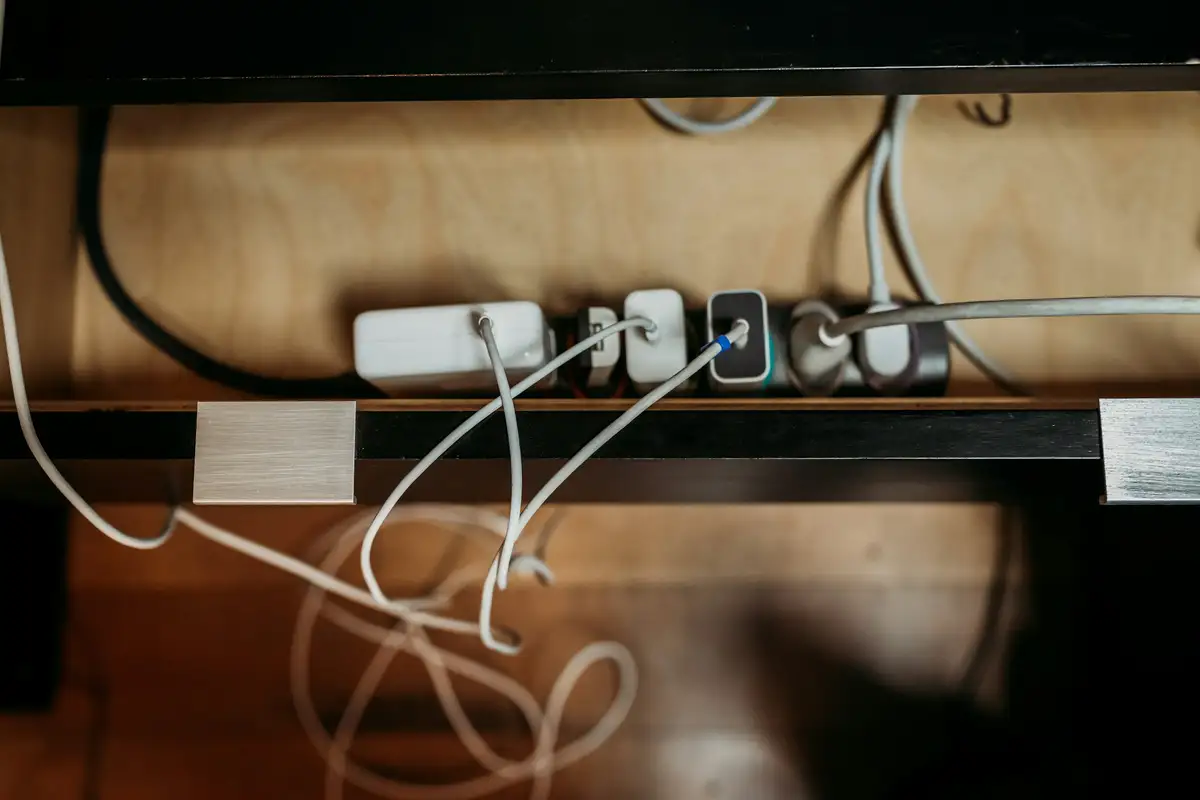
A storm killed my power strip in May, and everything plugged in behind it survived. Two months to understand what that doesn't prove.
Six months after the theft, what I haven't replaced
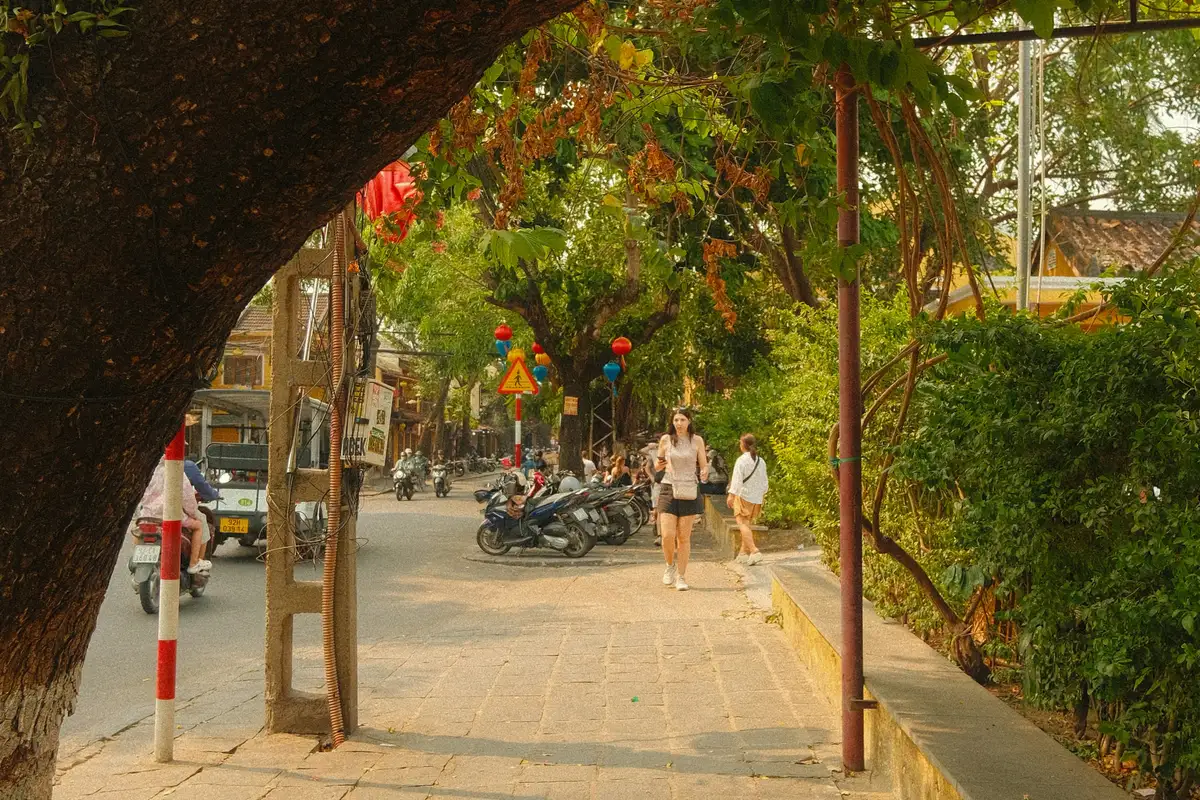
A reader asks what's been replaced since January. One machine, nothing else. The list of absences, and what each one has cost.
What's in the cable pouch, six months later
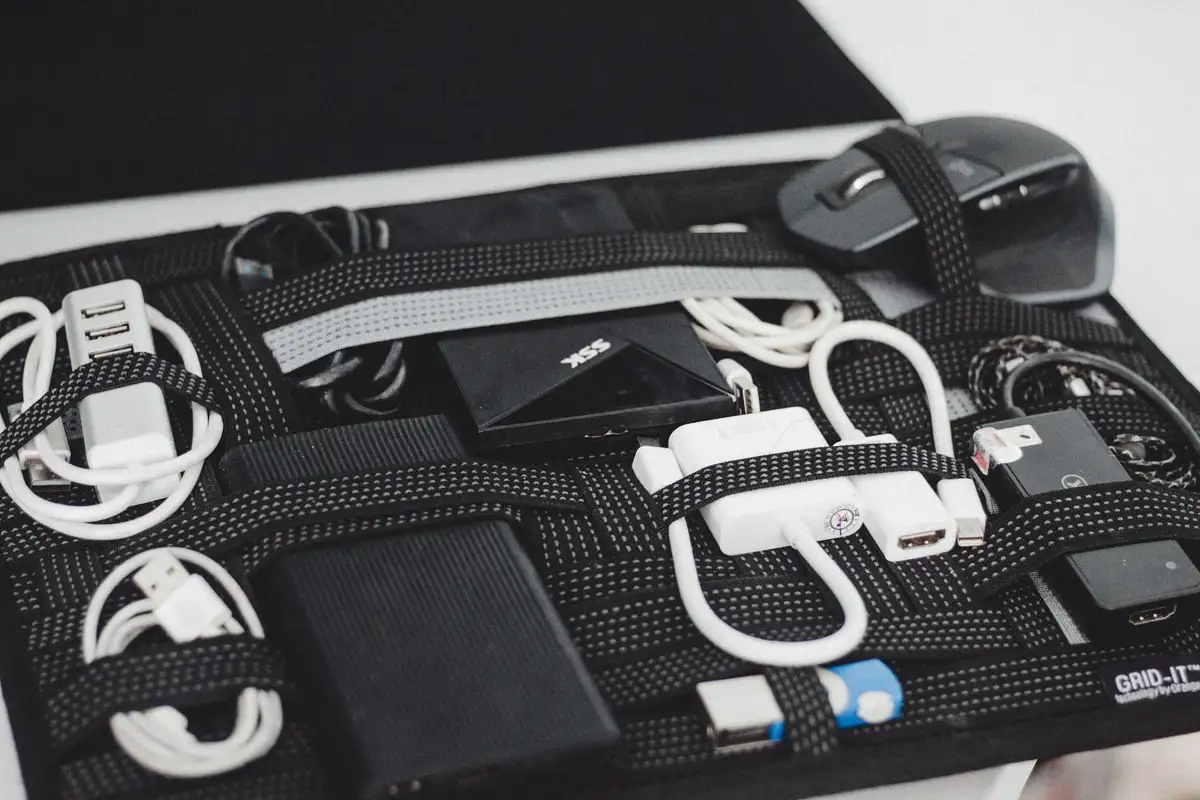
I was looking for one cable and pulled out eleven. An inventory of a pouch nobody ever sorts, and of what snuck in along the way without a decision.