Two countries before breakfast
Contents
6:20am, Faro. The bus station opens straight onto the street, and it’s fourteen degrees inside, which is exactly the temperature outside. A coffee machine gives change in five cent coins, one at a time, with a slot-machine clatter that wakes up the three people sitting on the benches.
I slept nearby, in a room above a restaurant closed for the winter. I’m heading south with a forty litre backpack, a shoulder bag, and a computer bought three weeks earlier that I fully intend to get my money’s worth out of on the buses.
So much for the plan.
A bit after 7am, heading east. The bus is three quarters empty. I take out the computer, open it, and close it again after twenty minutes. Not because of the noise, or the tray table, or the seat back in front of me. Because the Algarve road winds, and reading a line of text while winding around curves makes you queasy in a very specific way I hadn’t anticipated.
The phone, on the other hand, is fine. Smaller screen, held closer, an angle that follows your head. I do unimportant things for an hour and a half.
Somewhere before Ayamonte, the border. There’s nothing there. A blue sign with stars, a bridge, and the bus doesn’t even slow down. The phone, though, notices something: it switches networks over two minutes, drops data, picks it back up, and shows a welcome message.
It’s the only object on board that noticed we’d changed countries. That gets a five second smile, and then it becomes useful: on every leg after that, it’s that network switch that served as my marker whenever I dozed off.
A bit after 11am, Seville. A two hour wait. The hall is big, heated, and contains exactly one accessible power outlet, behind a vending machine, thirty centimetres off the floor.
I know because I walked the whole hall. Twice. Dragging a forty litre backpack, looking like someone searching for something they’ve lost.
Someone was already using it, a guy in his twenties with two phones plugged into a splitter. He offered to share when I finally sat down next to him without asking, which is one of the rare nice things I can say about bus stations.
One outlet, in a hall with several hundred seats. That’s not an oversight, it’s a decision. They don’t want you sticking around.
1pm, lunch. Two countries since waking up, an omelette and a coffee at a bar across the street, and the first moment of the day I pull out the paper notebook instead of a screen.
A paper notebook doesn’t need an outlet, doesn’t turn with the road, doesn’t shut off in a tunnel, and doesn’t ask for a network. Every time I have a day like this, I jot down three lines in it and tell myself the same thing, and every time I’ve forgotten it again by the following week.
2:30pm, toward the strait. Three hours of bus along the coast. No outlet, no tray big enough for a tablet, and afternoon light hitting the screen head on for anyone sitting on the right side of the vehicle.
I put on my headphones and do nothing for three hours. It’s the first time all day that doesn’t bother me.
5pm, Tarifa. The port is small, the wind is constant, and within ten seconds you understand why this town is covered in kitesurfing shops. The ticket counter, the wait, boarding.
Moroccan border control happens on board. You get on, you sit down, and at some point an officer set up at a table in the lounge calls passengers up in small groups. You fill out a form balanced on your knees while the boat is moving, with a pen you’re glad to have on you.
That detail has a practical consequence I hadn’t anticipated: your passport isn’t in your pocket for twenty minutes, it’s in a stack, and for those twenty minutes you watch the stack.
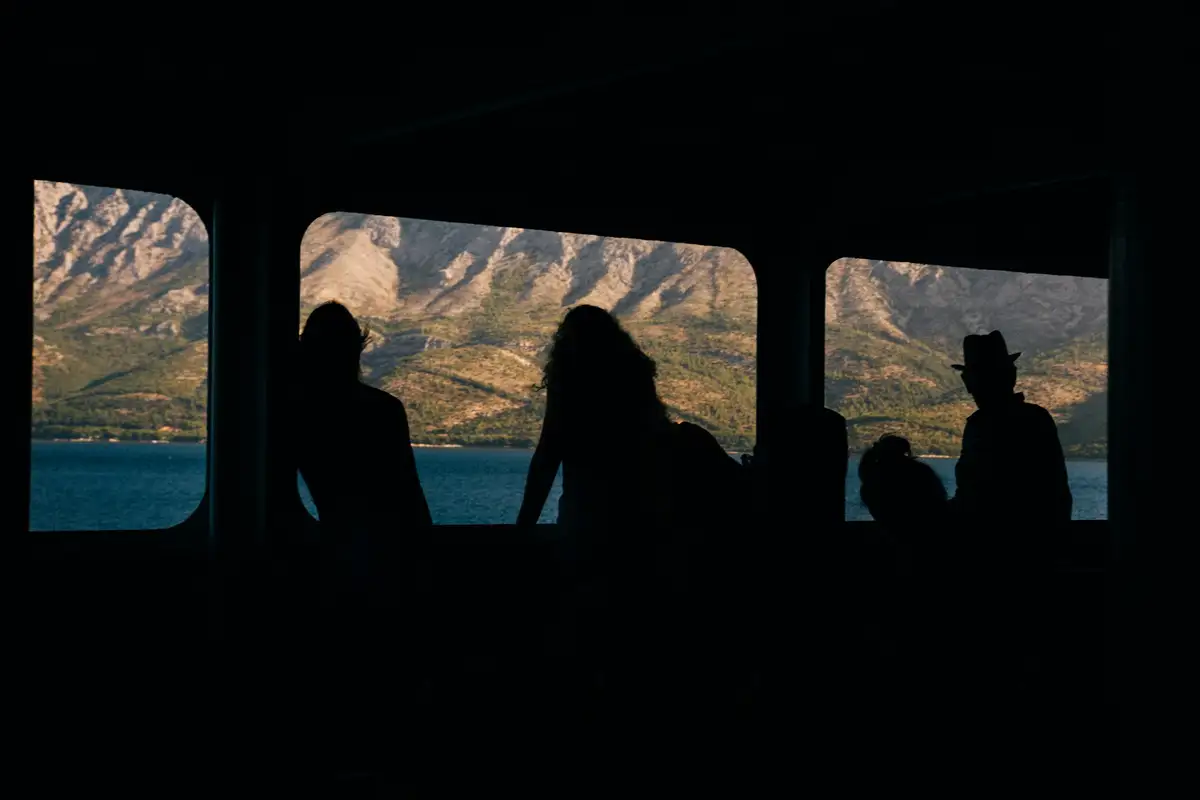
A bit after 6pm, the strait. An hour long crossing. The onboard wifi exists, advertises itself on a sign, and doesn’t work. Nobody on board looks surprised.
The phone battery is at a third. The computer hasn’t been reopened since the Algarve. The charger is at the bottom of the bag, in a compartment I haven’t opened all day, which is in itself a piece of information about how I pack.
7:30pm, Tangier. It’s dark, it’s mild, and the first thing I check on arriving in the room, before even putting down my bag, is the wall outlet.
It’s identical to the one in Lisbon. Two round holes, same standard, no adapter needed. I carried a universal adapter all day in a side pocket, the way I’ve carried it for four years, without ever checking whether it actually worked on this route.
The day’s tally
A little over twelve hours, four connections, two borders, one power outlet.
Actual work time: zero minutes.
It’s not the noise, not the comfort, not the lack of a table. It’s the fragmentation. A day broken into that many segments never gives you two hours in a row, and two hours in a row is the minimum unit below which I don’t produce anything usable. An hour twenty on a bus, forty minutes waiting, ten minutes for a connection, fifty minutes on a bus, two hours in a hall. Add it up: that’s a lot. Break it apart: it’s nothing.
I don’t try most of what I talk about on this site, and I lay that out in detail in what I don’t try. Nothing here is a recommendation, none of the objects mentioned are linked, and the only ones I talk about are the ones I’ve been carrying for years.
There’s one thing I understood while waiting in Seville, and I wrote it down in the paper notebook before I lost it. I organize my bags so I can find anything in three seconds, and I spent the whole day not taking anything out at all. The only pocket I opened was the one with the notebook. All that optimization serves a scenario that, that day, never actually happened.
What I can't tell you
- Does anyone actually work under these conditions, or does everyone just claim they do? I've never seen anyone produce anything more than messages on these routes, but I'm not in the habit of looking at other people's screens.
- Does the queasiness from reading come from the road, the size of the screen, or the distance to the screen? The phone was fine, the computer wasn't, and I can't isolate the variable.
This choice follows the manifesto: no video: the verdict is meant to be read, not watched. read the manifesto
Latest articles
A reader heads to Morocco and asks about outlets
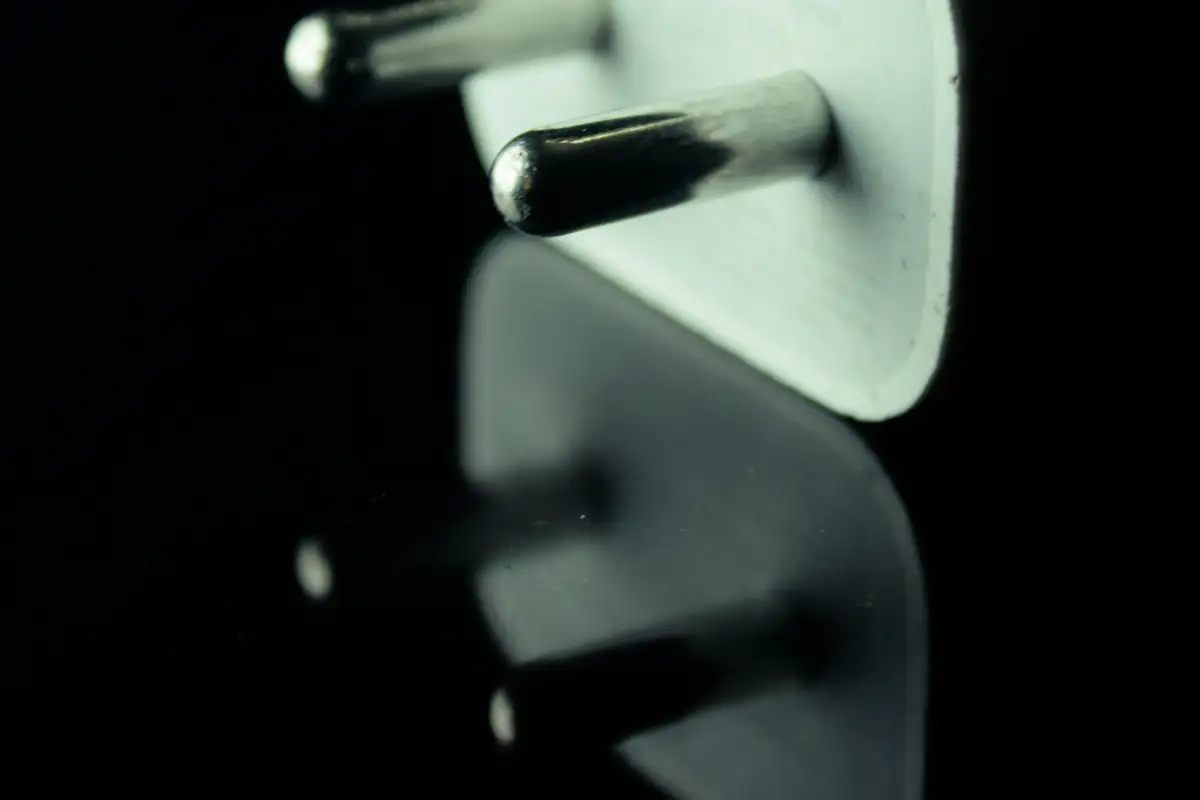
A reader asks which adapter to bring to Marrakech. He doesn't need one. The real problem shows up once the room has only one outlet.
He took the case for my headphones. I was wearing the headphones.
My bag was open above me for three hours. The thief walked off with an empty case and a laptop, and never checked either one.
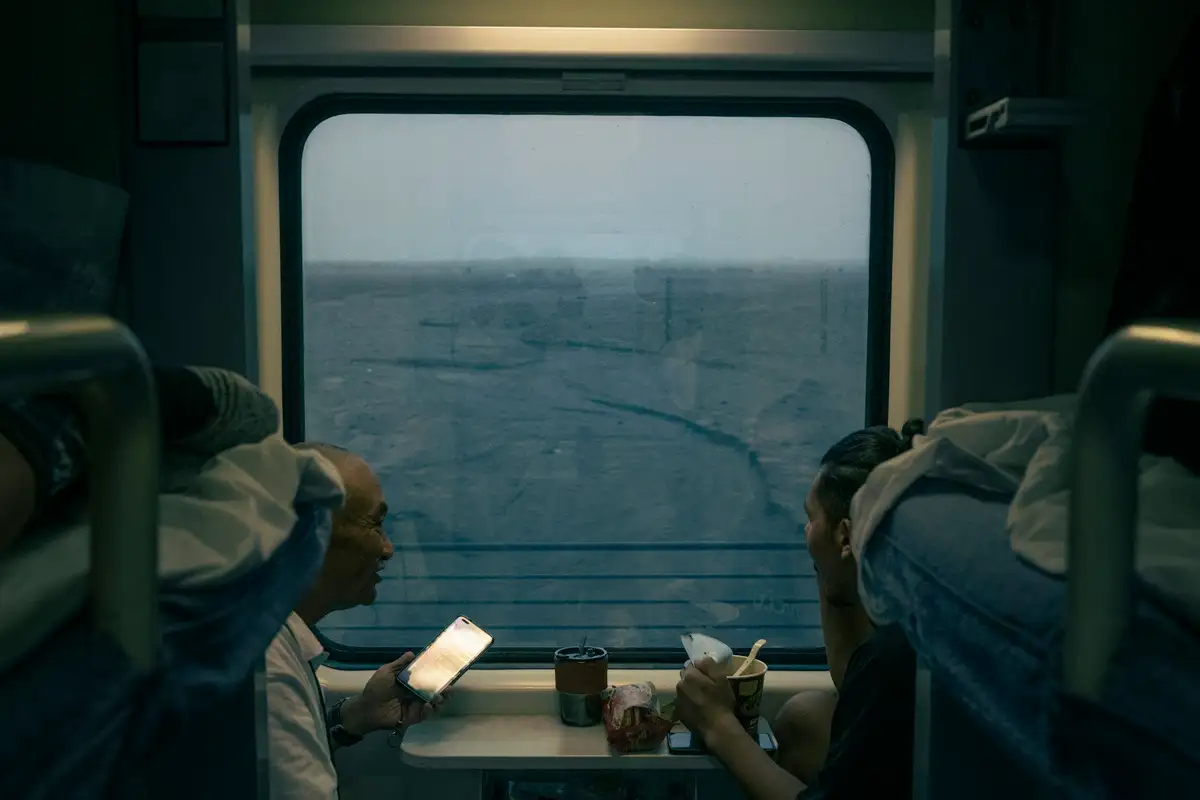
The Hanoi-Đà Nẵng night train sets its own rules
Four berths, a light that never turns off, and a bag you have to watch while asleep. Three constraints, three answers of very different bulk.