
The Chiang Mai storm that ate my power strip
Contents
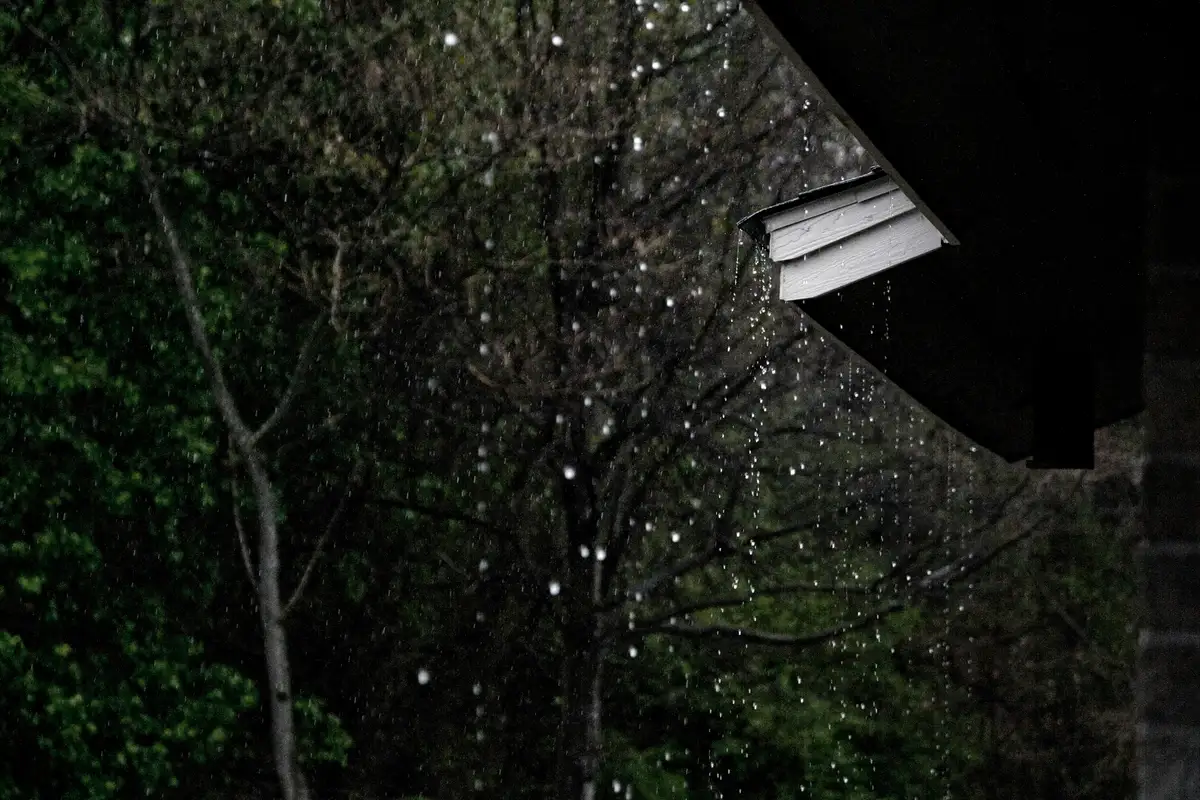
It rained for forty minutes, which is nothing unusual here in April. What made me look up was the noise on the roof. Corrugated metal, two floors above, and a downpour that goes from background noise to construction-site noise in about ten seconds.
I was at the table, laptop open, a small USB fan running because the room had been sitting at thirty-something degrees for a week. The ceiling light flickered twice. Then a third time, longer, with that slow-motion dip old bulbs get when the voltage drops before coming back.
Then there was a smell.
What broke
Not smoke. The smell of an iron left too long on fabric, warm, chemical, the kind that takes two or three seconds to tell you where it’s coming from.
The power strip was on the floor, against the baseboard, behind the bed leg. I’d bought it four days earlier at a hardware store across the street, because the room had exactly one wall outlet and I travel with more than one plug’s worth of needs. Six sockets, a switch, a small orange light that came on when the strip was powered.
The light was off.
The ceiling light, on the other hand, was still on. The hallway fan was still running. The reception desk downstairs was playing the same news channel as always. The power hadn’t gone out in the building, it hadn’t even gone out in the room. It had gone out in the strip, and only in the strip.
I unplugged it from the wall and set the strip on the tile floor, away from the bed, because that’s what you do when something smells hot and you don’t know what’s wrong with it. I didn’t open it up. I don’t know how, I have nothing to do it with, and I have no desire to write the three paragraphs where I explain to a reader how to take apart a piece of electrical equipment in a room rented by the week.
What was plugged in behind it
The laptop charger, with the laptop on the other end.
The phone charger, with the phone on the other end, at eighty percent.
The USB fan, running, on a mains adapter.
The carabiner Bluetooth speaker, charging, the third of the same model since I started breaking them.
And the old Android tablet with a built-in projector, plugged in since the morning, switched off, whose projector doesn’t project much of anything anymore but which stubbornly refuses to die.
The backup hard drive wasn’t on it. It wasn’t even in the room, it was in the other bag, unplugged, a habit I picked up in January for a reason that had nothing to do with electricity.
That night, and the next morning
I didn’t do anything that evening. The laptop had battery, the rain stopped around nine, and I decided the problem could wait for daylight. It’s the only intelligent decision in this whole story, and it came from tiredness, not method.
The next day, I did the only thing I knew how to do: plug the devices in one at a time at the wall outlet, waiting between each one, and watching.
The laptop charger: the little light comes on, the machine charges, the housing stays warm as usual.
The phone charger: charges.
The fan: runs, at all three speeds.
The speaker: charges, pairs, sounds the same.
The tablet: boots up, takes its usual old-tablet time, shows its 2019 home screen.
Nothing. Not one damaged device, not one odd behaviour, not one abnormal heat-up, not one unexplained restart. Six weeks later, writing this from another country, I can add that nothing has failed since either.
The only casualty of the evening was the strip, and it cost me about the price of a street-food plate.
What I don’t understand
This is where I’m stuck, and it’s why this piece exists.
One object died. Five devices plugged into it came out unscathed. I’d like to tell you what happened in between, and I notice, trying to write it, that all I can offer are stories.
First story: the strip absorbed something on behalf of everything else. It’s appealing, it explains everything, and I notice above all that I like it. The box the strip came in had text in two languages, one of which I can’t read. I didn’t keep it, and I’d be unable to say exactly what it promised.
Second story: nothing in particular happened to the devices because nothing in particular happened at all, and the strip died of its own mediocrity, four days after I bought it, at the exact moment it happened to be raining. A coincidence like that is entirely possible, and it bothers me far more than the first story.
Third story: something really did come through the line, and the devices survived it for reasons of their own, with the strip having nothing to do with it. In this version, my power strip isn’t a hero, it’s just the weakest link, and the weakest link breaks first even when it isn’t protecting anyone.
I have no way to settle between these three versions. None. I don’t have an instrument, I didn’t see what happened on the line, I didn’t open the object, I wouldn’t know what to look for if I did, and the building isn’t going to hand me its electrical history.
What I can do is note the question in the logbook and go read up. I’ll spend the coming weeks on it, because the question interests me now that it’s cost me an object, and I’ll come back to it here once I have something more than three hypotheses in balance. This logbook doesn’t have a lab, which is already stated in what I don’t test myself, and it doesn’t have a diagnostic workshop either. I’m discovering it’s the same limitation wearing two faces.
The dead strip traveled with me to Hanoi, in the bag’s side pocket, for a week. I carried it across a border and two airports telling myself I’d eventually show it to someone who’d know how to read it. I don’t know anyone like that on this route, and I knew it when I packed it away. It ended up in a hotel-room bin in the old quarter, without me learning anything more than I already knew the moment I unplugged it.
What I can't tell you
- Did the strip actually play a role, or did it just happen to die at the right moment? Both stories fit the same observed facts, and I have no data that lets me prefer one over the other.
- Did my devices take a hit without showing it? A power component can age suddenly without displaying anything. Six weeks without incident isn't proof, it's just a delay.
- Would it have gone the same way with a strip bought elsewhere, or with nothing at all plugged in? That would have needed a second room, a second storm, and a second set of devices, the same night.
This choice follows the manifesto: no video: the verdict is meant to be read, not watched. read the manifesto
Latest articles
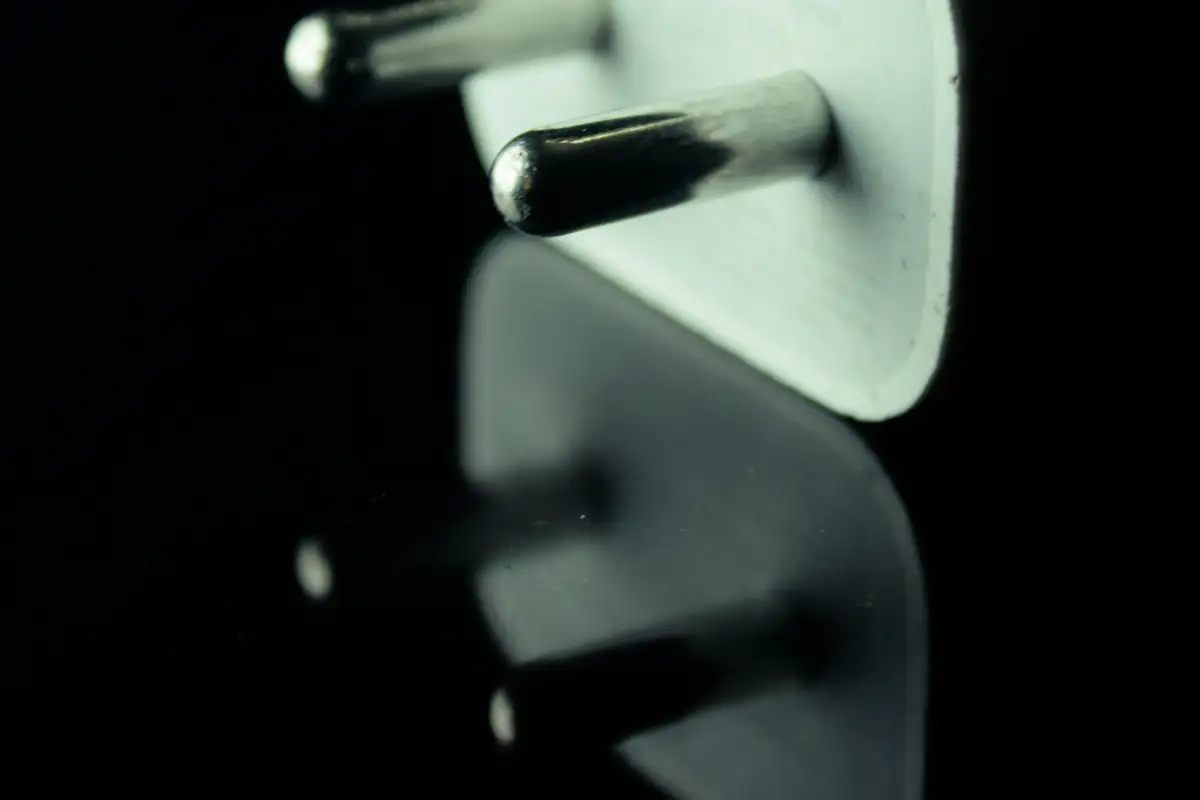
A reader heads to Morocco and asks about outlets
A reader asks which adapter to bring to Marrakech. He doesn't need one. The real problem shows up once the room has only one outlet.
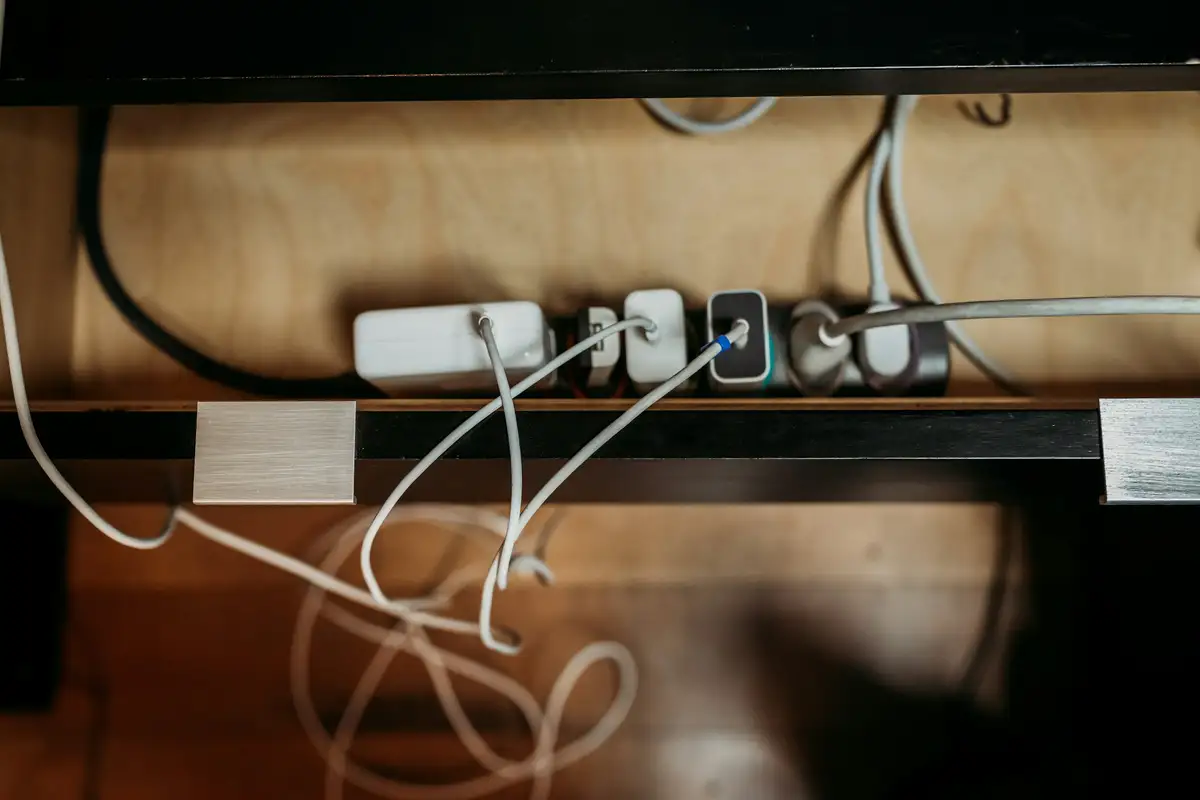
The current isn't a constant
A storm killed my power strip in May, and everything plugged in behind it survived. Two months to understand what that doesn't prove.
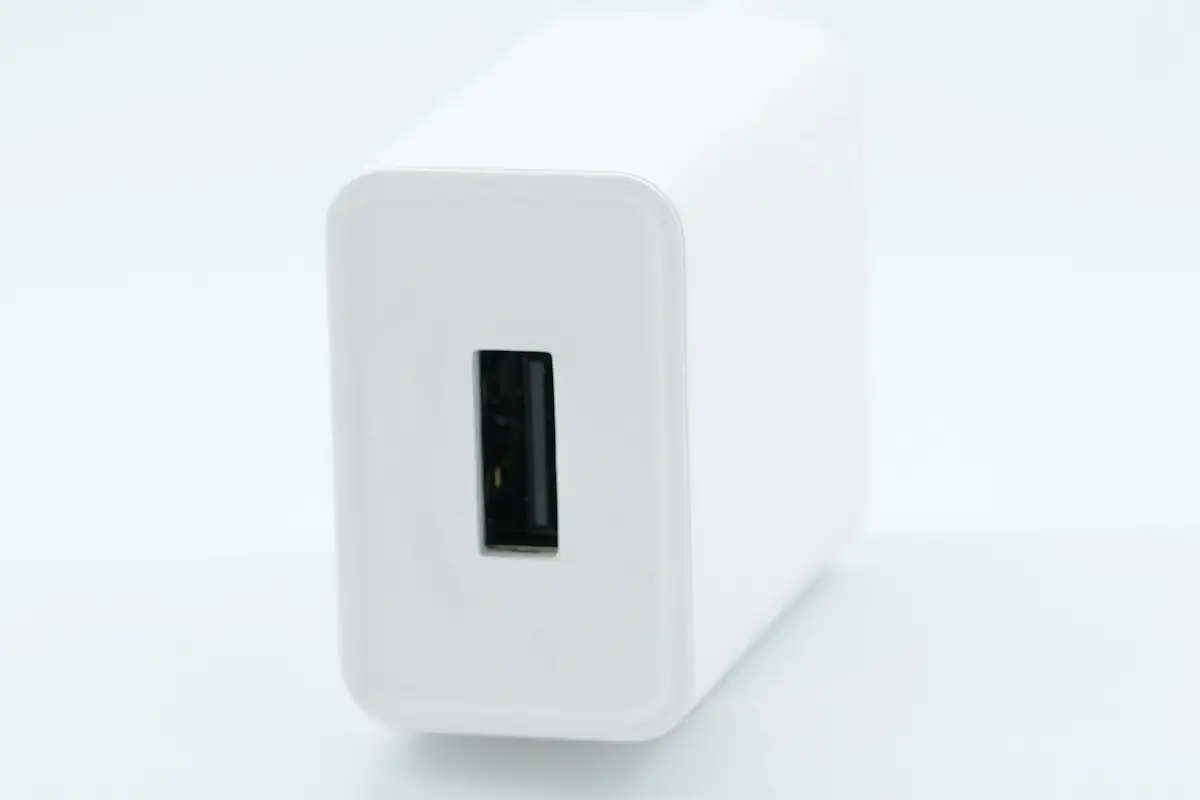
Six chargers, one day, five eliminated
A day in Seoul replaces the usual comparison table. Each hour disqualifies a candidate for a different reason. Four models, two families, one kept.